.png)

The Film


.avif)
The Film
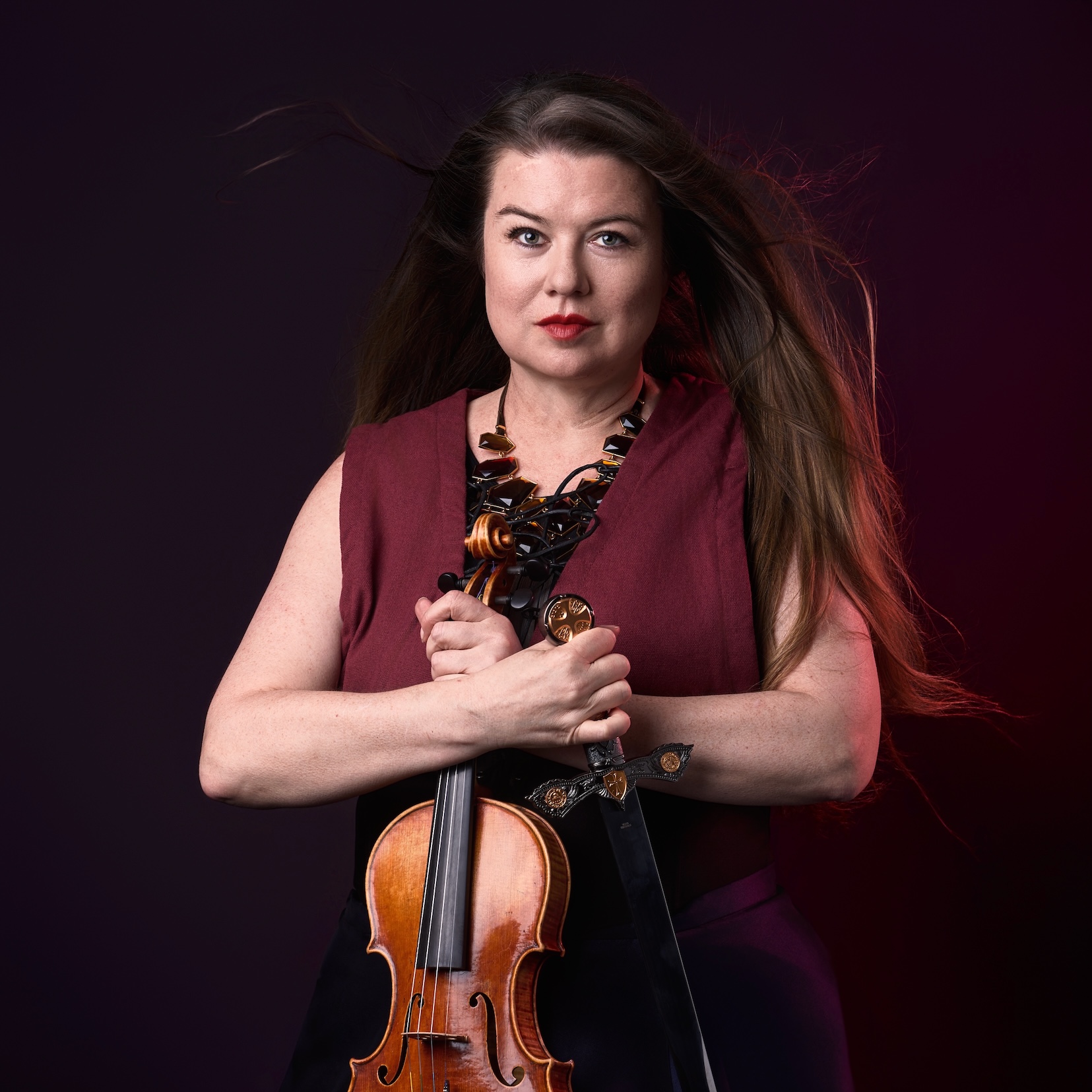
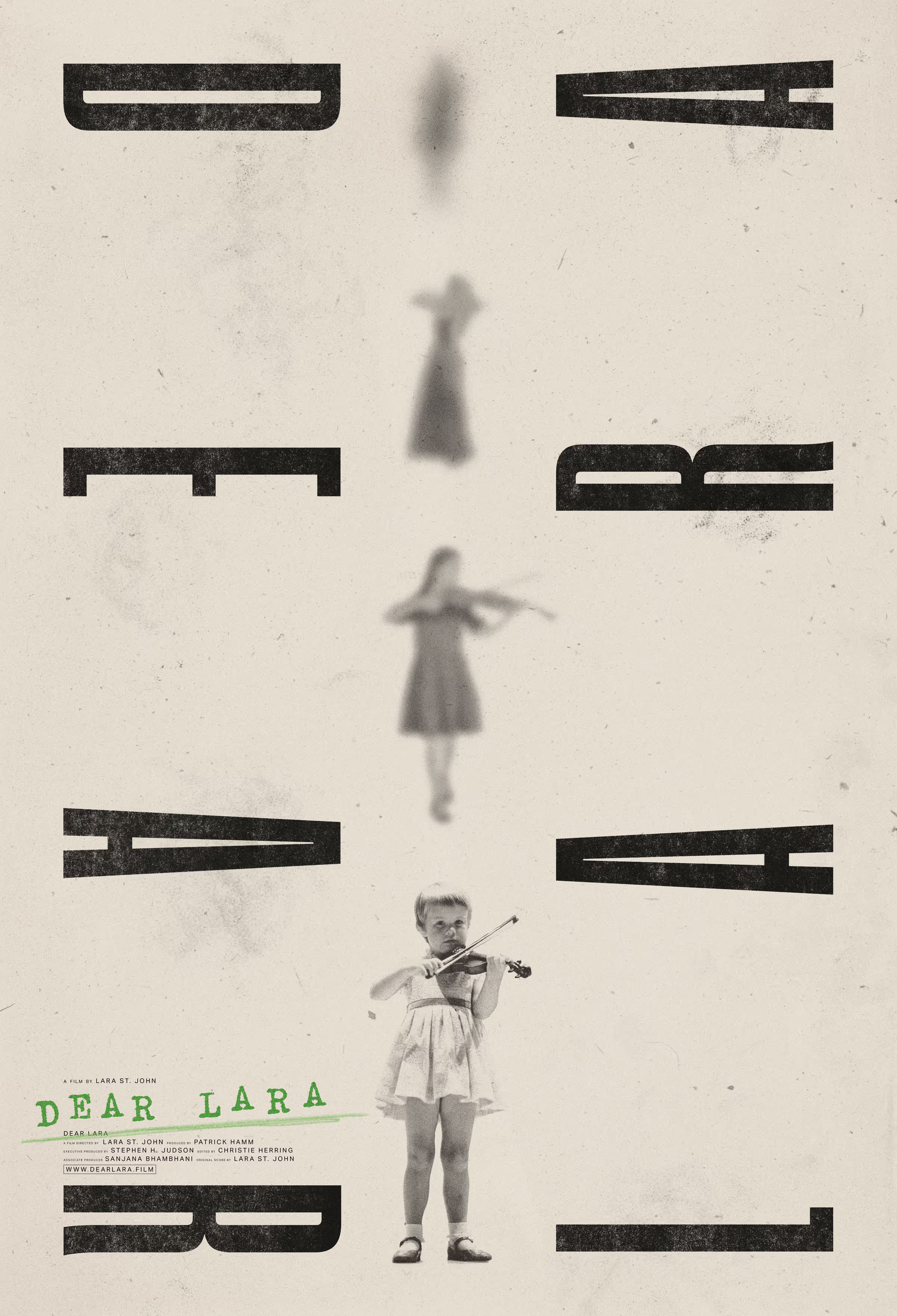
Dear Lara is a deeply personal documentary that exposes decades of sexual abuse and institutional complicity in the classical music world.
The story begins in 2019, when renowned violinist Lara St. John speaks out about the sexual assault she endured as a 14-year-old student at the elite Curtis Institute in Philadelphia. After her story is published in The Philadelphia Inquirer, she is flooded with letters and outreach from fellow survivors. Determined to make these voices heard, Lara travels across North America and Europe to meet others who, like her, were failed by the very organizations meant to protect them. As these personal accounts accumulate, a pattern emerges of institutions shielding predators at the expense of the vulnerable. Blending unflinching testimony, investigative rigor, and a haunting original score, the film exposes ingrained practices of harm and cover-ups, rooted in power, silence, and the worship of reputation over justice.
Joined by fellow musicians, journalists, students and activists pressing for accountability, Lara’s pursuit to illuminate this insidious pattern in the classical music world serves as both a reckoning from within and a rallying cry for cultural change, created by someone who lived an all-too-common ordeal and refused to look away.
Mission Statement
In classical music, observers often ask, “Where are the women?” Why do so few rise to become principal players, artistic directors, or internationally celebrated soloists? The answers are disturbing.
Young musicians enter elite institutions where power is absolute and accountability is rare. Many are groomed, isolated, and abused while still children. When they speak out, they’re ignored. When they stay silent, they’re retraumatized. Too often, the only way to survive is to leave. Of the dozens of survivors Lara interviewed, fewer than half are still in music. Some can no longer even listen to it.
Dear Lara breaks the silence surrounding these stories. It is the first documentary to expose the global pattern of abuse, silence, and complicity in the classical music world. It centers survivor voices – not just as testimony, but as a force for change. It calls out the institutions that failed, and invites the audience to imagine what healing and justice could actually look like.
The time has come to put the lives of survivors above the protection of power.